
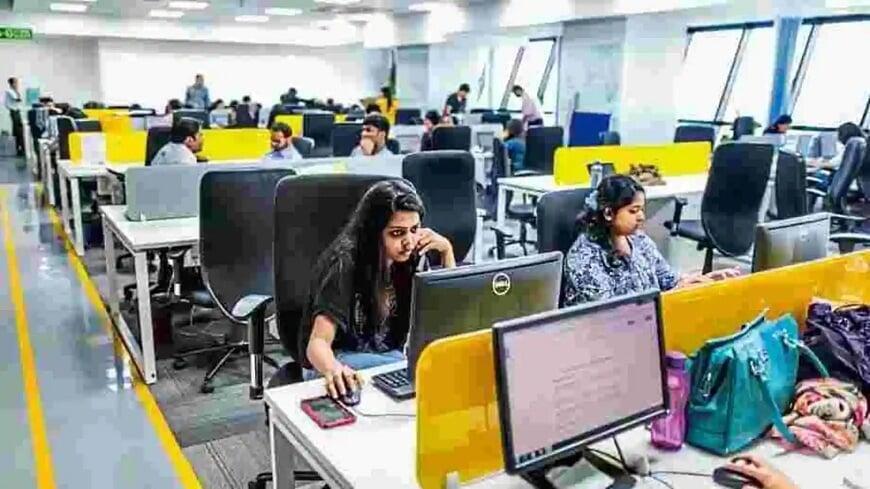
For decades, India’s job market has been dominated by metropolitan cities like Bengaluru, Mumbai, Delhi, and Hyderabad. But over the past few years, a silent revolution has been unfolding — Tier-II and Tier-III cities are rapidly emerging as the new job-hunting hubs in India. With affordable living, improved infrastructure, and a digitally connected workforce, these smaller cities are rewriting the story of employment opportunities in India.
The Changing Face of India’s Job Market
India’s job market has always been dynamic, but the pandemic and the rise of remote work have accelerated a major shift. Companies no longer see metros as the only source of skilled talent. Businesses across industries — IT, manufacturing, digital marketing, and customer support — are tapping into the potential of smaller cities.
According to the latest hiring trend reports, cities like Coimbatore, Jaipur, Indore, Kochi, and Chandigarh have shown double-digit growth in new job postings. This decentralization is making India’s job market more inclusive, diverse, and accessible than ever before.
Key Drivers Behind the Shift
1. Affordable Talent and Lower Operational Costs
For employers, hiring in Tier-II and Tier-III cities offers cost advantages. Office rentals, employee salaries, and daily expenses are significantly lower compared to metros. Startups and mid-sized firms are leveraging this to scale operations efficiently while accessing well-qualified talent.
2. Digital Connectivity and Remote Work Culture
Thanks to improved internet penetration and remote work tools, professionals can now work seamlessly from anywhere. The growth of India’s digital infrastructure — from better broadband to coworking spaces — has made smaller cities viable for hybrid or fully remote setups.
3. Government Initiatives and Infrastructure Development
The Digital India initiative, Smart City projects, and regional startup policies have boosted local economies. New business parks, logistics hubs, and IT corridors are creating employment across sectors. This is reshaping how India’s job market distributes opportunities geographically.
4. Quality of Life and Work-Life Balance
Many professionals are moving back to their hometowns seeking a better quality of life. Lower pollution, shorter commutes, and stronger community ties make smaller cities appealing — especially for millennials and Gen Z employees who prioritize well-being alongside career growth.
Top Sectors Fueling Growth in Tier-II and Tier-III Cities
Information Technology & BPO: Expansion of tech support and development centers in cities like Coimbatore, Mysuru, and Bhubaneswar.
Manufacturing & Logistics: Growth in industrial clusters such as Surat, Ludhiana, and Nashik.
Digital Marketing & Content Services: Agencies and freelancers thriving remotely from smaller cities.
Healthcare & Education: Private institutions and hospitals expanding operations regionally.
Retail & E-commerce: Tier-II cities are becoming the next big consumption centers, driving jobs in supply chain and marketing.
What This Means for Job Seekers
For job seekers, the message is clear: don’t limit your search to metro cities. The evolving landscape of India’s job market means opportunities are spreading evenly across the country. Job portals, remote hiring platforms, and local recruitment agencies are increasingly connecting employers with skilled professionals from smaller cities.
To stay ahead, candidates should:
Upskill in digital and remote-friendly tools.
Explore hybrid job models that combine flexibility and local presence.
Leverage online job platforms focusing on regional placements.
How Recruiters and Employers Can Adapt
Recruiters should expand their focus beyond metro locations to tap into these emerging talent pools. Adopting AI-driven recruitment tools, conducting virtual interviews, and partnering with local agencies can help companies efficiently hire across multiple regions.
Employers should also promote location-flexible job roles, which attract both urban and semi-urban professionals while reducing attrition and operational costs.
The Future of India’s Job Market Is Decentralized
As Tier-II and Tier-III cities continue to grow, India’s job market is becoming more balanced and future-ready. The next wave of innovation and talent won’t just come from Bengaluru or Mumbai — it will rise from cities like Coimbatore, Indore, and Jaipur.
For job seekers, this means greater opportunity and accessibility. For employers, it means a chance to build diverse, distributed teams that represent the true potential of India’s workforce.